Many visitors see only the beaches of Phu Quoc. Yet the dry, comfortable days of January make it a fine time to look inland, where the island's farming traditions and forest shape daily life as much as the sea does.
Pepper farms
Phu Quoc pepper has a strong reputation, and walking through a working farm explains why. Rows of tall vines climb wooden posts, and in the dry season the air is pleasant enough to linger between them. Many farms let visitors see how the peppercorns are grown and dried, and sell them on site. It is one of the most practical souvenirs you can bring home.
Fish sauce factories
A traditional fish sauce factory gives a sense of how central this condiment is to the local economy. Large wooden barrels, careful fermentation and long waiting times are part of the process. The smell is strong, but the visit is short and informative. Ask questions; staff often explain each stage.
- Visit pepper farms in the morning, before the heat
- Combine the factory with a stop in Duong Dong town
- Buy sealed products for travel
The forest
More than half the island lies within the national park, a UNESCO Biosphere Reserve. In January the trails are dry and the humidity is low, making a short walk among old trees an easy addition to a cultural day.
Evening in town
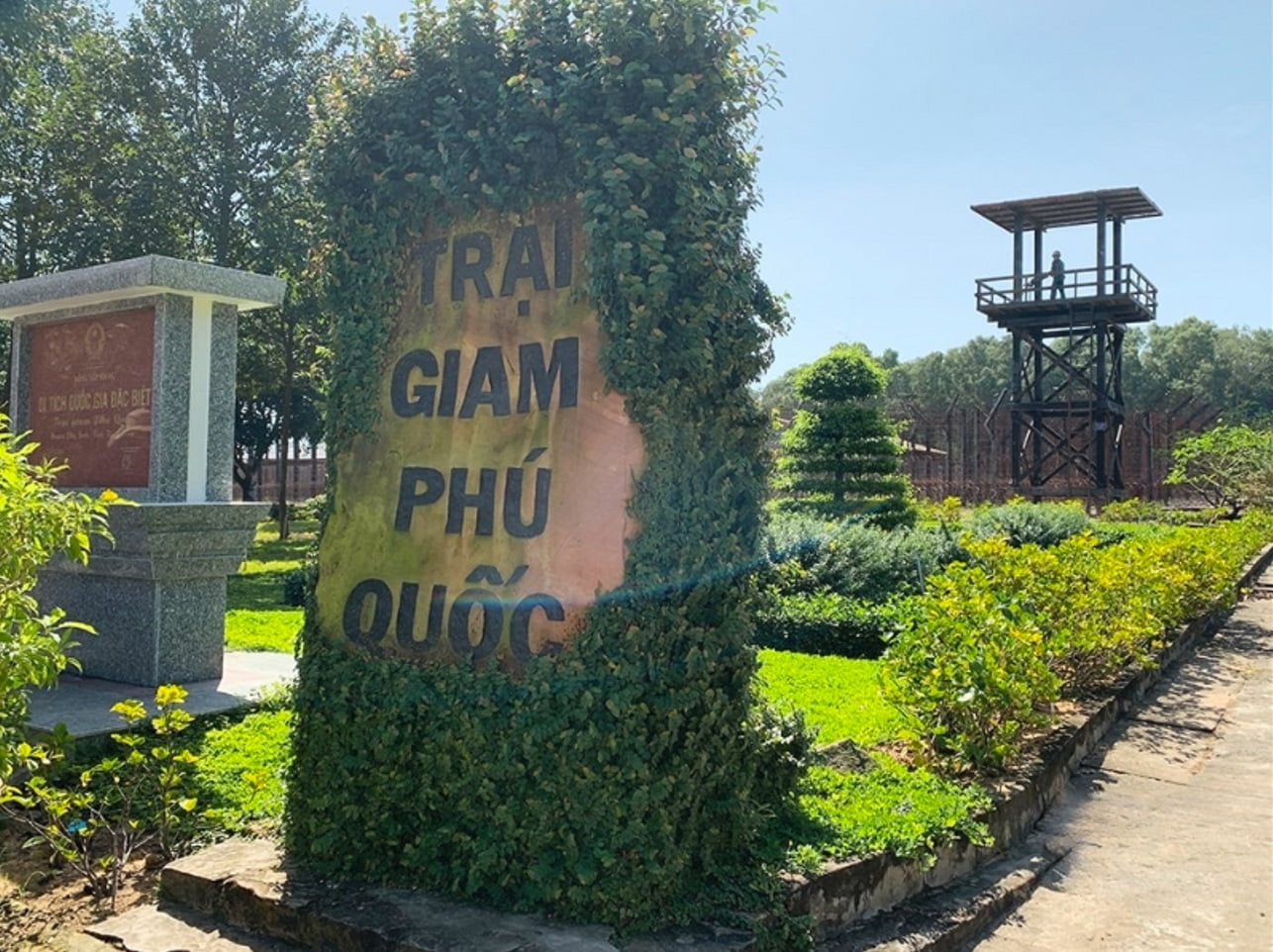
Minh hoạ: phu quoc island weather january
Finish at the night market, where pepper and pearls appear again alongside seafood stalls. By then the air has cooled to the low to mid twenties.
Why this suits January
The lack of rain means unpaved paths to farms and forests stay passable, and the moderate heat lets you spend time outdoors without exhaustion. A day like this also gives your skin a rest from the beach.
Conclusion
Look beyond the sand and January becomes a chance to understand how the island lives and works. One inland day can change how you see the rest of your trip. Further reading: inland and cultural ideas for January.
#phuquoc #culturetravel #locallife